
Why Is Scalp Care Essential for Healthy Hair?
The outer part of the hair strand is made of dead keratin, while the living part of the hair lies beneath the skin in the hair follicles. When the scalp where these follicles are located becomes dry or irritated, hair growth slows down, hair loss increases, and shine diminishes. Since healthy hair starts with a healthy scalp, protecting the scalp should be the first step of any hair care routine.
What Is the Scalp and Why Is It Important?
The scalp is the living skin tissue where hair follicles are anchored. It supplies energy and oxygen to the hair roots, forms a protective barrier against external aggressors, and prevents dryness through its hydrolipidic film. Proper blood circulation and balanced sebum production are essential for healthy hair growth. The scalp also plays a role in regulating body temperature.
Scalp vs. Dandruff: What’s the Difference?
The hydrolipidic layer on the skin surface helps retain moisture. When this protective film is damaged by frequent washing, cold weather, or harsh products, dry scalp may develop. This can lead to reduced moisture levels, itching, flaking, or scaling.
Dandruff, on the other hand, is a form of seborrheic dermatitis caused by excessive sebum production and the overgrowth of yeast. In this case, the scalp appears oily and flaky. In both conditions, the scalp’s balance is disrupted, making accurate diagnosis and proper care essential.
Ways to Keep the Scalp Healthy
Massage and Microcirculation
Regular scalp massage stimulates capillaries, increases blood flow, and delivers more nutrients and oxygen to the hair follicles. Short massages performed during showering or with nourishing oils can improve hair vitality and strength while also reducing stress.
The Cleveland Clinic states that managing stress and maintaining regular sleep patterns support scalp health and help preserve sebum balance.

Regular Cleansing and the Right Shampoo
Experts emphasize that washing hair too frequently can dry out the scalp, yet cleansing at least twice a week remains important. Clarifying shampoos are recommended for oily scalps, while moisturizing and repairing shampoos are better suited for dry or chemically treated hair.
Thoroughly rinsing shampoo residues, reducing the use of irritating products, and choosing paraben-free formulas can help prevent dryness. Clinics also note that if itching and flaking persist, medicated shampoos containing selenium sulfide or zinc pyrithione may be beneficial.
Moisturizing and Sebum Balance
The hydrolipidic film keeps the scalp moisturized. When this balance is disrupted by frequent washing or environmental factors, dryness, itching, and dandruff may occur. Using moisturizing masks or targeted scalp care products helps support sebum balance and scalp comfort.
Serums and Nourishing Treatments
Vitamin- and mineral-rich serums support healthy hair growth and may help reduce hair loss. Active ingredients such as Procapil, peptides, and biotin can strengthen hair roots. Using a conditioner after every wash restores moisture to the hair strands, while volumizing products help support the roots and improve hair density.

Nutrition and Lifestyle
Healthy hair follicles require adequate protein, vitamins, and minerals. Dermatologist Dr. Wilma Bergfeld recommends a diet rich in iron and protein to help prevent thinning and support strong hair roots. Spinach, eggs (biotin), salmon (omega-3), fruits (vitamin C), and avocado (vitamin E) can be incorporated into daily nutrition.
Drinking sufficient water, quitting smoking, and using humidifiers to balance indoor moisture levels also help prevent dry scalp.
Factors That Weaken the Scalp
Hormonal imbalances, pollution, toxin buildup, harsh detergent-based shampoos, frequent heat styling, and aggressive brushing can weaken the scalp. Chemical treatments and excessive heat may cause irritation, dryness, and hair loss. Sebum imbalance can lead to oiliness and itching, making balanced care routines and healthy lifestyle choices essential.
Avoiding Heat and Chemical Treatments
The Cleveland Clinic warns that daily use of blow dryers, straighteners, or curling irons can damage both the scalp and hair strands. Heat-protectant products are recommended when styling.
Chemical treatments such as hair dye and perms may also trigger allergic reactions on the scalp. Para-phenylenediamine (PPD), commonly found in dark hair dyes, can cause contact dermatitis. Allowing sufficient time between treatments helps protect sensitive scalps.
Sun and Environmental Protection
UCLA experts highlight the importance of protecting the scalp from ultraviolet radiation. Wearing a hat during prolonged sun exposure and applying sunscreen with at least SPF 30 to exposed scalp areas are recommended. Protecting the head from strong wind and cold weather, and gently cleansing the scalp after swimming in pools or the sea, also supports scalp health.
La Rachel Paris
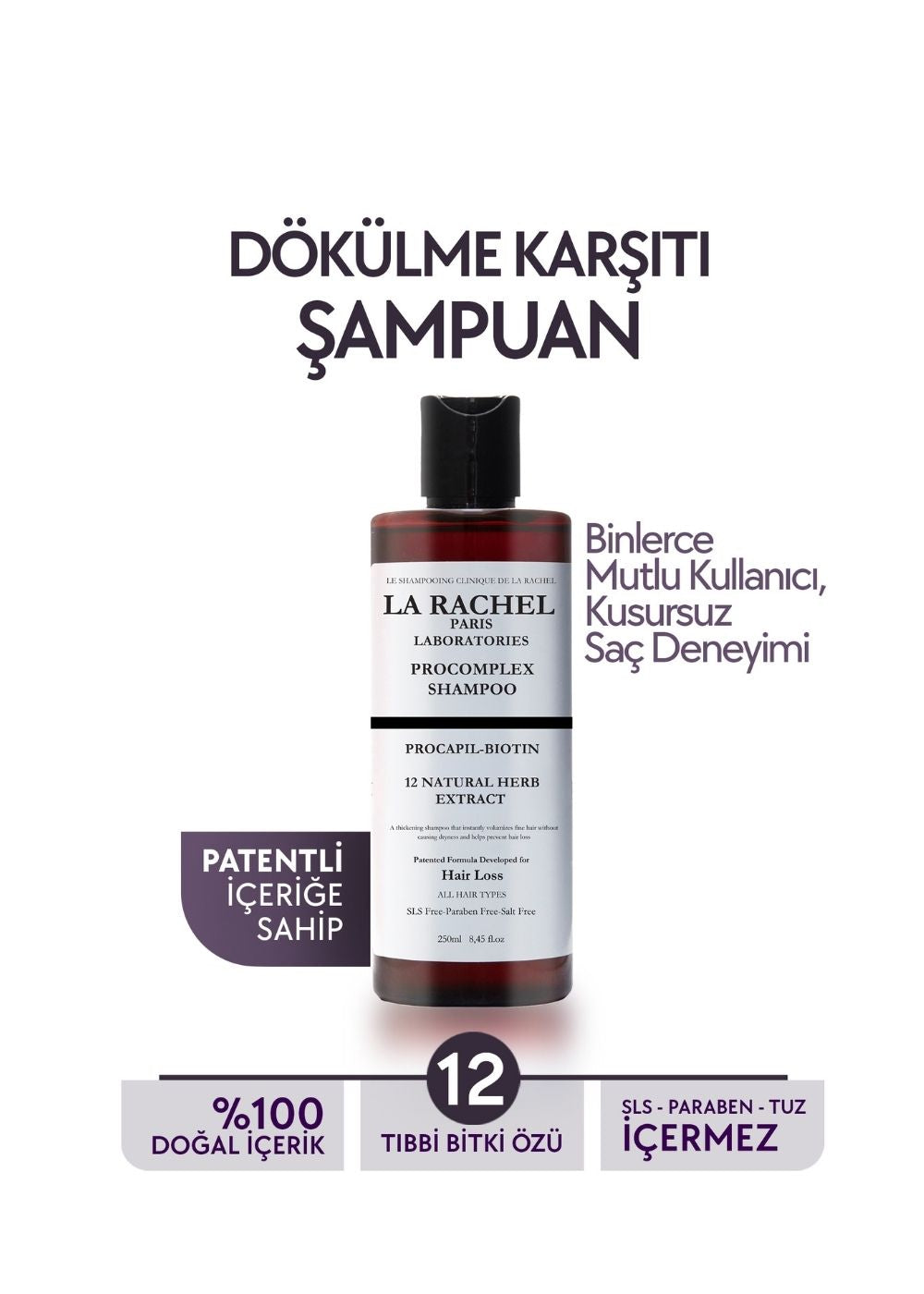
La Rachel Paris hair care products are formulated to strengthen both hair roots and the scalp. Scientifically supported active ingredients such as Procapil, peptides, and botanical extracts nourish the follicles, while serums and creams deliver moisture and essential vitamins to the scalp. Heat-protectant sprays and repairing products shield hair strands from damage, while anti-frizz formulas smooth the hair surface and enhance shine. With regular use, these products help restore balance between the scalp and hair fibers, supporting reduced hair loss and improved volume.

Conclusion
Healthy hair begins with a balanced and vibrant scalp. Gentle cleansing, suitable shampoos and masks, regular scalp massage to improve circulation, balanced nutrition, and protection from UV rays all contribute to stronger hair from root to tip. If problems persist, consulting a dermatologist is the most effective way to protect long-term scalp and hair health.
Sources
health.clevelandclinic.org
uclahealthib.staywellsolutionsonline.com
Active Ingredients and Powerful Content in the World of Beauty
Saç Dökülmesi Neden Olur? 7 Temel Neden ve Etkili Çözümler
Similar Posts


Saç Derisi Bakımı Neden Bu Kadar Önemli? 7 Neden